
The Intergovernmental Panel of Climate Change (IPCC) released a much anticipated report today. It says what we already know, that “emissions of greenhouse gases from human activities are responsible for approximately 1.1°C of warming since 1850-1900, and finds that averaged over the next 20 years, global temperature is expected to reach or exceed 1.5°C of warming.
To put 1.5°C in perspective, it is expected that at that level “of global warming, there will be increasing heat waves, longer warm seasons and shorter cold seasons. At 2°C of global warming, heat extremes would more often reach critical tolerance thresholds for agriculture and health, the report shows. Propelled by human activity, the IPCC says climate change is actively “bringing multiple different changes in different regions – which will all increase with further warming.” We’re currently experiencing examples of this:
- Climate change is intensifying the water cycle. This brings more intense rainfall and associated flooding, as well as more intense drought in many regions.
- Climate change is affecting rainfall patterns. In high latitudes, precipitation is likely to increase, while it is projected to decrease over large parts of the subtropics. Changes to monsoon precipitation are expected, which will vary by region.
- Coastal areas will see continued sea level rise throughout the 21st century, contributing to more frequent and severe coastal flooding in low-lying areas and coastal erosion. Extreme sea level events that previously occurred once in 100 years could happen every year by the end of this century.
- Further warming will amplify permafrost thawing, and the loss of seasonal snow cover, melting of glaciers and ice sheets, and loss of summer Arctic sea ice.
- Changes to the ocean, including warming, more frequent marine heatwaves, ocean acidification, and reduced oxygen levels have been clearly linked to human influence. These changes affect both ocean ecosystems and the people that rely on them, and they will continue throughout at least the rest of this century.
- For cities, some aspects of climate change may be amplified, including heat (since urban areas are usually warmer than their surroundings), flooding from heavy precipitation events and sea level rise in coastal cities.
The IPCC report emphasized that “the evidence is clear that carbon dioxide (CO2) is the main driver of climate change, even as other greenhouse gases and air pollutants also affect the climate. A co-chair of the IPCC Working Group 1, Panmao Zhai, made clear that ‘stabilizing the climate will require strong, rapid, and sustained reductions in greenhouse gas emissions, and reaching net zero CO2 emissions. Limiting other greenhouse gases and air pollutants, especially methane, could have benefits both for health and the climate.’ Even with rapid action, IPCC expects that “while benefits for air quality would come quickly, it could take 20-30 years to see global temperatures stabilize”.
The IPCC report, called a red-flag by the Secretary of the United Nations, expects the world to reach 1.5°C in all of it’s scientific models within the next twenty years. As mentioned, this can be avoided if the world acts quickly.
Today also marks the seventy-sixth anniversaries of one of the largest human-made disasters in the world. Three days after dropping a nuclear weapon on Hiroshima, killing 140,000 Japanese, the U.S. dropped a slightly stronger bomb on Nagasaki on August 9, 1945, killing another 74.000. The bombs dropped on Hiroshima and Nagasaki were the only nuclear bombs used in warfare. This information from ICAN – the Nobel Prize winning International Campaign to Abolish Nuclear Weapons – also describes the the inability to provide aid in the aftermath of the bombings, and the resulting health hazards from nuclear blasts. “Leukaemia increased noticeably among survivors. After about a decade, survivors began suffering from thyroid, breast, lung and other cancers at higher than normal rates.”
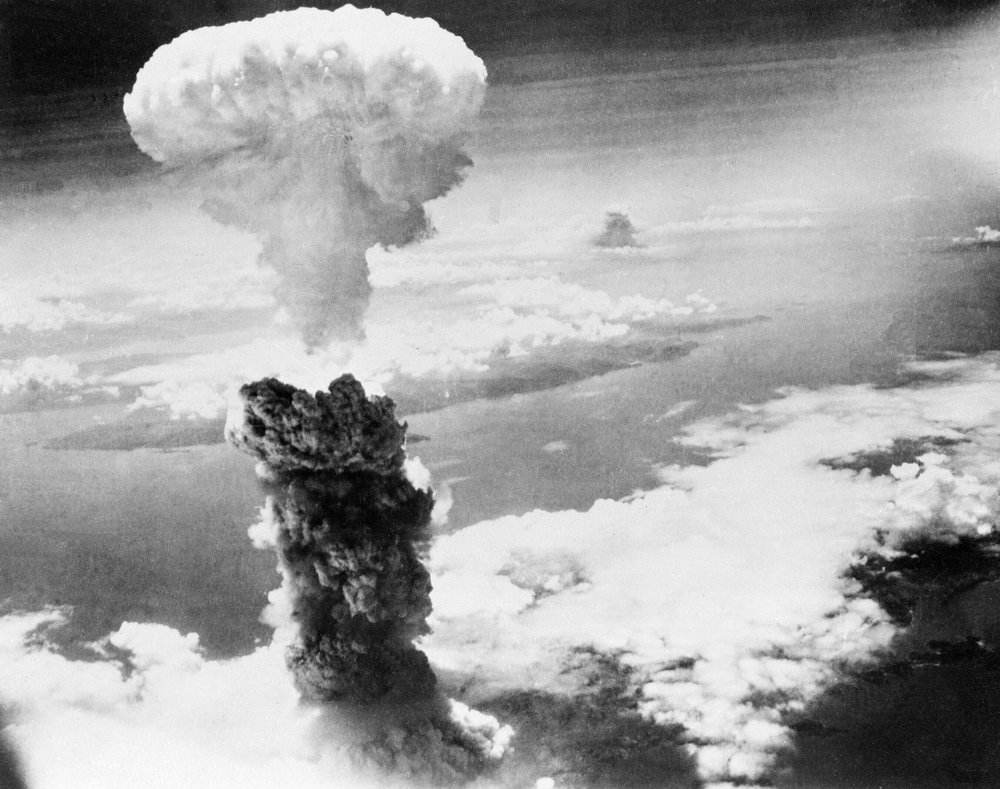
This January, because of the work of ICAN, the Treaty on the Prohibition of Nuclear Weapons (TPNW) became part of international law. The TPNW “prohibits nations from developing, testing, producing, manufacturing, transferring, possessing, stockpiling, using or threatening to use nuclear weapons, or allowing nuclear weapons to be stationed on their territory. It also prohibits them from assisting, encouraging or inducing anyone to engage in any of these activities.”
It is true that this injunction is only legally binding on nations (or more correctly, states) that has ratified the TPNW. However, that should be good news. Only nine states have nuclear weapons, and none of them actually want to use them.
It is possible that these nine states know that not only would any use of a nuclear weapons lead to a a uncontrollable war but that a nuclear war would lead to a disastrous effect on the environment and the ecosystem and that this “nuclear winter” could last a decade.
The climate emergency we have created and the prospect of use of nuclear weapons leading to a climate breakdown known as “nuclear winter” are the two major existential crises humanity faces. These two threats are connected and are man-made. The good news is because these threats to humanity are man-made, they can be undone to a large extent.
In 2019 The Guardian reported that twenty companies “can be directly linked to more than one-third of all greenhouse gas emissions in the modern era”. A couple months earlier, Forbes reported that “the single largest consumer of energy in the U.S., the Department of Defense is the world’s single largest institutional consumer of petroleum” and that the D.OD. has a larger carbon footprint than most countries. The twenty companies that can be linked to greenhouse emissions over the last fifty years are the same companies that supply the D.O.D.
The climate emergency or the prospect of a nuclear winter should not make us give up but rather propel us into action to undo these existential threats. Our propensity for war, which is tied to our love of consumerism and our need for the requisite resources, must end before we end ourselves. I’ve written recently about advocating for social justice and about reaching out to policy-makers such as elected members of Congress. While we must each choose our own path it is important to remember that inaction is insufficient.
I’ve make a commitment to stand on the street corner and wave signs for social justice every Friday afternoon. Fridays for Future, of course, has been doing this for a a couple years on a global scale to draw attention to the climate emergency we have created. It was Israel’s most recent major assault on Gaza, in May of this year, that impelled me out of my comfort zone and led me to the streets.
During the onslaught against Gaza there were a few dozen people waving signs for several weeks. The number of people who maintain a weekly presence have varied over the weeks. There tend to be about fifteen people on both sides of the street with different messages about peace and social justice – the climate, nuclear weapons, black lives matter, and maintained focus on Israel, during the hour and a half time slot we allot ourselves. Some of the people have been sign-waving for social justice for more than twenty years at the same location.
There are numerous signs about Israel ranging from “It Was Wrong In South Africa and It’s Wrong In Palestine” (referring to apartheid), to signs like “Save Sheikh Jarrah“. I have a sign enjoining people to contact congress about HR2590. This week I was holding both the sign about HR2590 and a sign that said “Israel Guilty of Crimes Against Humanity” with text clearing indicating that such as message came from Human Rights Watch.
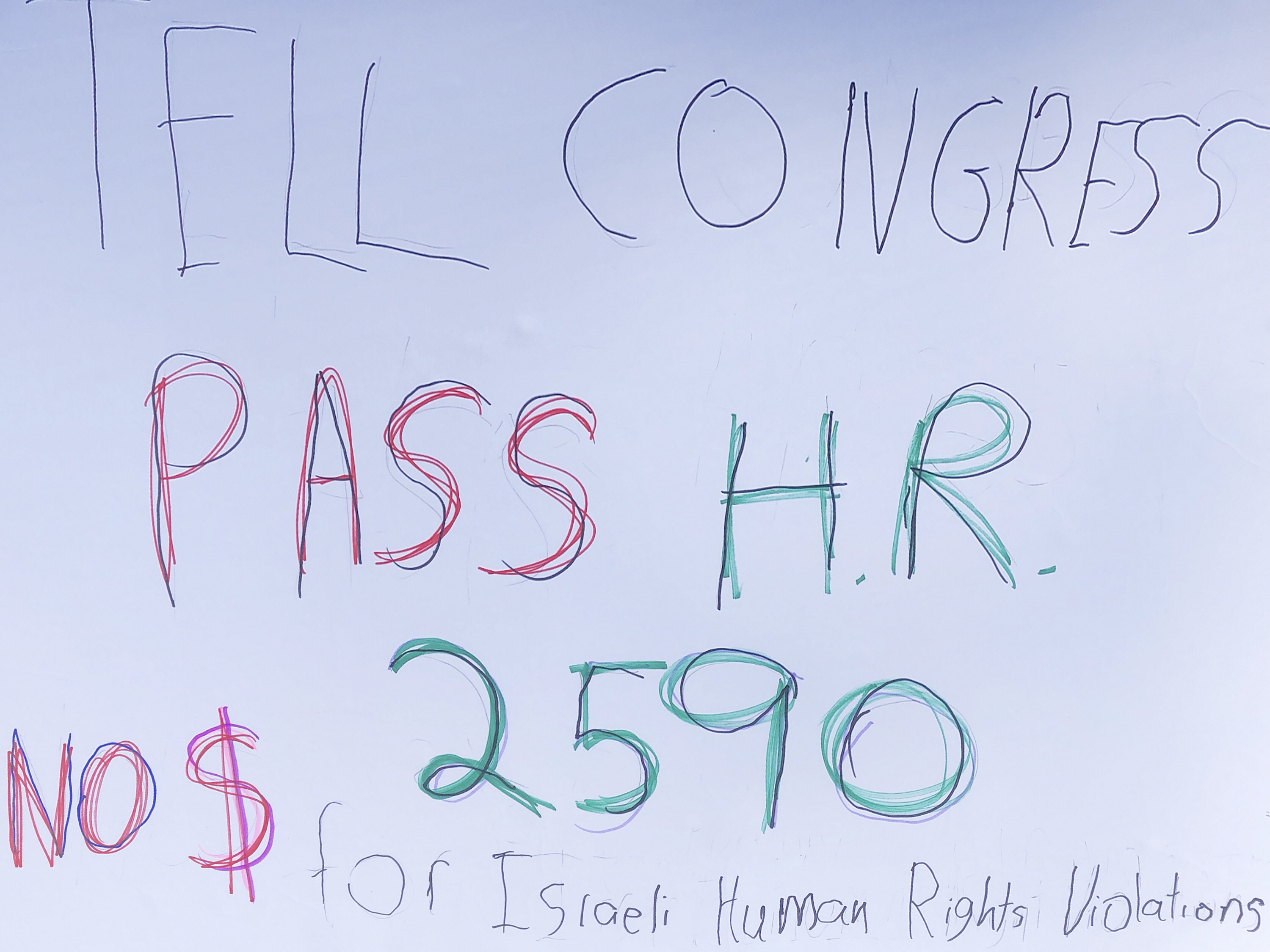
Standing on a street corner during rush hour traffic our signs are targeted at the cars but intended for anyone that sees them. During a lull in traffic a young man came across the street, pointing at my sign. I didn’t hear what he said at first with the noise of the traffic, but after a minute made out he was asking about the sign “Israel Guilty of Crimes Against Humanity”. He was genuinely asking about it.
Perhaps I dd a bad job of explaining “crimes against humanity” when put on the spot, but we had a decent and pleasant conversation, despite the fact it is sometimes hard to explain something to someone when it appears you have to start with the basics. He was pressing in his point that we (the USA) commit crimes against humanity in the Middle East – but I agreed with him, and pointed out that Americans should also be prosecuted for crimes against humanity. I’m not sure he knew that Israel occupies Palestinians under international law, much less the resulting human rights abuses regarding land, resources, the right to movement, or anything about settlers. Nonetheless, he he was willing to take literature I had with me, and listened politely to my point that actions make a difference, and that there can be cooperation between Israelis and Palestinians.
Here’s what that young gentleman should know. The sign I was holding about crimes against humanity referred to Human Rights Watch. In April of this year HRW noted that Israel carries out apartheid – a crime against humanity – against the Palestinians, writing that:
Israeli authorities methodically privilege Jewish Israelis and discriminate against Palestinians. Laws, policies, and statements by leading Israeli officials make plain that the objective of maintaining Jewish Israeli control over demographics, political power, and land has long guided government policy. In pursuit of this goal, authorities have dispossessed, confined, forcibly separated, and subjugated Palestinians by virtue of their identity to varying degrees of intensity. In certain areas, as described in this report, these deprivations are so severe that they amount to the crimes against humanity of apartheid and persecution.
Providing all the background on the Occupied Palestinian Territories and the history, HRW follows this up with the observation that “International criminal law has developed two crimes against humanity for situations of systematic discrimination and repression: apartheid and persecution” Regarding persecution, HRW summarizes that
The crime against humanity of persecution, also set out in the Rome Statute, the intentional and severe deprivation of fundamental rights on racial, ethnic, and other grounds, grew out of the post-World War II trials and constitutes one of the most serious international crimes, of the same gravity as apartheid.
The State of Palestine is a state party to both the Rome Statute and the Apartheid Convention. In February 2021, the ICC ruled that it has jurisdiction over serious international crimes committed in the entirety of the OPT, including East Jerusalem, which would include the crimes against humanity of apartheid or persecution committed in that territory. In March 2021, the ICC Office of Prosecutor announced the opening of a formal investigation into the situation in Palestine.
HRW recalls that “Crimes against humanity consist of specific criminal acts committed as part of a widespread or systematic attack, or acts committed pursuant to a state or organizational policy, directed against a civilian population”. It’s likely that Israel not only engages in apartheid and persecution, but almost all of the other crimes against humanity (inter alia, murder, deportation or forcible transfer of population, imprisonment or other severe deprivation of physical liberty in violation of fundamental rules of international law, torture, and sexual violence).
We stand on the street corner to draw attention to these facts, and to encourage people to demand that elected and appointed officials stop funding, and prevent, crimes against humanity. The awareness of these facts should propel us to action, and one substantial action is to contract our elected representatives in Congress about HR 2590 (Defending the Human Rights of Palestinian Children and Families Living Under Israeli Military Occupation Act) and ask our representatives to stop funding human rights abuses.
Set in 1720 Madrid aristocracy – and in good part, from the view of the servantry – The Cook of Castamar is a reminder of history and a commentary on social interactions between classes. The rich connive with the rich and with the servant class; the servant class plots against one another; some of the rich have a liking for the poor – but would the rich like the poor if the rich knew that the poor were once not poor?
A Spanish production done under the title of La cocinera de Castamar the show perhaps has no reason to elucidate its audience on Spanish history. In 1700 Charles II of Spain died without an heir. This caused the War of the Spanish Succession which led to – says Wikipedia – a redrawing of the balance of power in Europe.
We might remember the Treaty of Westphalia from a history class in high school. The treaty signed at the end of Thirty Years war, in 1648, Westphalia established the modern idea of a balance of power in Europe.

There’s not a large time gap between 1648 and 1700, the year Charles died. King Louis XIV of France (the “Sun King”) was a monarch during that entire time. Philip of Anjou, the grandson of Louis XIV and Maria Theresa (who was born the infanta of Spain) claimed the throne of Spain when Charles II died. Philip was 16. There were other claimants to the throne of Spain, all fighting for power and/or the balance of power along side their allies.
The thirteen year War of the Spanish Succession, spanning four continents, ended with the Treaty of Utrecht. Philip was recognized as the king of Spain, with the condition that Spain and France would never become a single entity, and several other conditions to maintain and rebalance the balance of power.
In a way, everyone won and and every lost. This seems to be a basic and natural result of a game of balancing power. To this day every nation is engaged in balancing power, and is naturally winning and losing at the same time.
The Two State Delusion has interviews with several significant policy-makers, both Palestinian and Israeli, who all know that the two-state solution will not and can not happen. O’Malley makes a good argument that the two sides are actually addicted to a process they know won’t succeed.
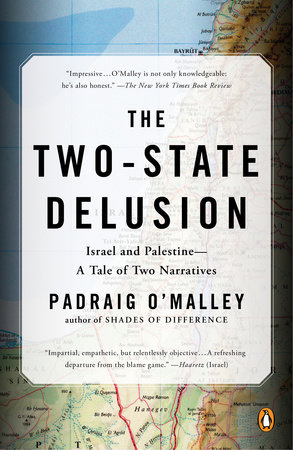
Contrary to what most government and organizations promote (as well as another book I just finished (A Just Zionism) the two-state solution is dead, and becoming deader every day. The land grabs by Israeli settlers, supported by every Israeli government, is one of the many actions that prevented a two-state solution.
This leaves one reality. A one-state solution. As so many people and books advocate for, the one-state solution must be based on decolonization and equal rights. The proper one-state will lead to a decrease in anti-Antisemitism, Islamophobia, and hatred. The goal of the two-state solution was never a lasting peace (how can you have peace when one side has nuclear weapons, and the other side has no military?). The one-state solution done properly will lead to a lasting peace.
Do not be on the wrong side of history.
Instead of a lengthy post summarizing all of the fires and floods I know of in the last few weeks worldwide (think Canada, Washington, Oregon, California, Montana, Siberia, Alaska… or Louisiana/Tennessee, Nigeria, France/Germany/Belgium, China, India) and the concomitant commentary about how this is becoming more destructive every year it occurred to me that I needed to reach out to my congressperson who makes policy decisions. What I wrote is below, with an attempt to edit our where I live. When you think policy and environment you think of the Green New Deal or Red New Deal, but what I wrote was intentionally open-ended to see what response I receive.
You too should write to your representatives!
Dear Representative,
I’m a constituent. I am concerned about threats to our environment, habitat, and species.
This month our district experienced an unprecedented heat wave that caused dozens of sudden deaths. Heatwaves have contributed to a fire season which starts earlier every year. This is connected to the droughts, which means we have less water supply than usual.
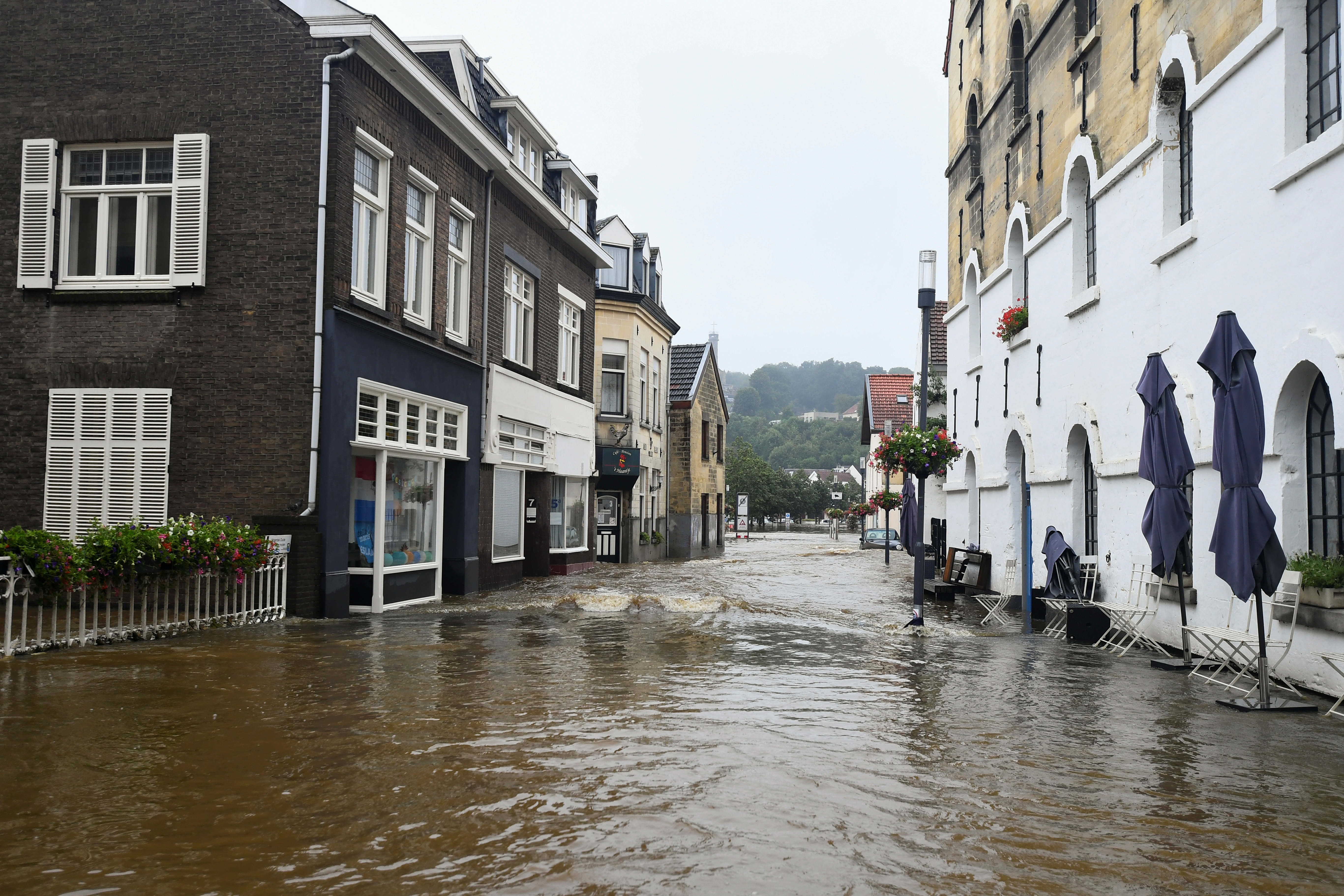
Globally, there has been heatwaves and unprecedented heat in at leave five continents this month. At the same time, there has been torrential, destructive, flooding happening in many places in the U.S., and least seven major world cities in the last couple of weeks. These floods have devastated at least five continents in a short amount of time.
These disasters have been intensified by climate change. The climate crisis we’re now in is made worse by human carbon emissions. There are several good ideas to mitigate this crisis and make sure that us, and future generations, have an environment that we can live in. My question in what action or legislation you would promote and cosponsor to mitigate the climate emergency we are in?
With appreciation for your representation,
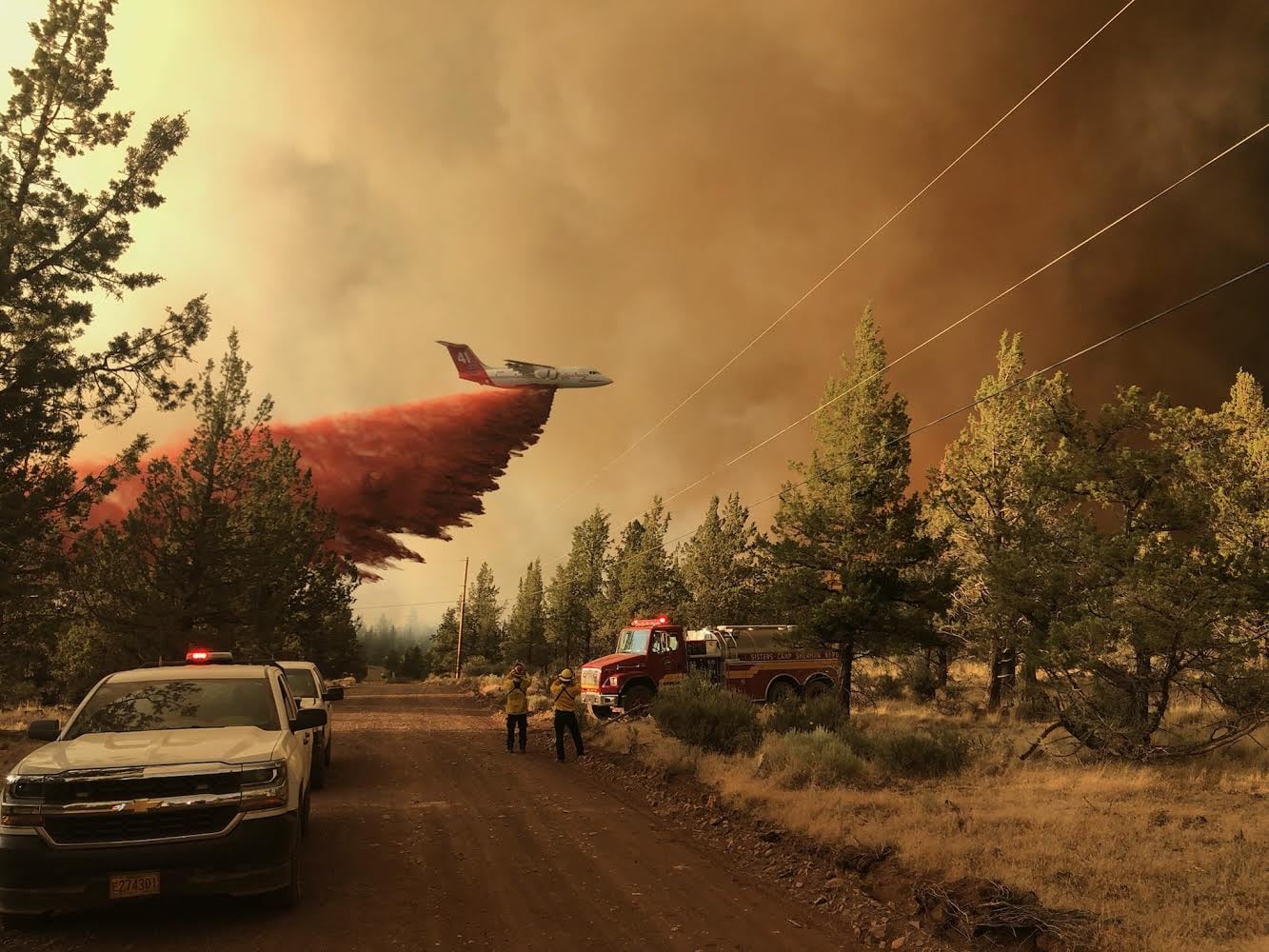
Oregon Department of Forestry Central Oregon District // https://www.opb.org/article/2021/07/14/new-fires-force-new-evacuations-as-dry-heat-and-wind-persists/
As a driver of a Toyota vehicle for the last several years I figured that when my lease was up I’d go through the formalities of looking at other cars just to go back to Toyota and lease a different vehicle.
It was strange and eerie – fitting for the times we’re in – that there were hundreds of cars at the Toyota dealership, and most of them weren’t Toyotas and none of them were new. As far as I could tell, no one was looking for a car – maybe they already knew what they’d find, and I didn’t get the memo.
I explained to the salesman that I wanted to look at a new Corolla to lease,

or a compact SUV (also known as a crossover). I got the message that there were no new cars to look at, but I could look at a used one. Not only did it feel used, but it felt cheap. My only option at Toyota was to leave my name on a list – behind presumably dozens of other people on a list – to get a new car. It could be ready in a month (wait, make that a week!), or whenever the company gets a massive shipment – and they don’t know when that will be.
The industry is full of antiquated car features I didn’t know existed. Hyundai, which is probably the only car company that will have an inventory this summer – a verbose salesman told me they bought all the electronic components that were in short supply because of the pandemic – offers a car with manual roll-up windows. Every base-model car of every different car company appears to have basic seat that are still adjusted manually, with no electric option.
At Honda, the saleswomen tried to lease me a car that wasn’t for lease. I actually did end with a very nice Honda (with a lease). Even there, where there were options, Honda thinks that unless they can get a huge shipment in the next few weeks, they’ll have no new cars on the lot.
If you see some Hondas or Hyundais on the road that look new, it might be that no other companies can get new cars made and delivered during the pandemic. The lot isn’t really empty, but it’s devoid of anything new.
This article would have been in defense of Naomi Osaka’s choice to not talk to the media during Roland Garros; it still is, but as things have developed over the last week it becomes something more.
Naomi – as those that follow the tennis world know her – is known to be an introvert. This gives her great poise during tennis matches as she uses the energy she draws from herself – rather than those around her – to battle for every point without putting on a show. It also means that she’s somewhere beyond “shy” (different from being an introvert) if you make her talk. On the other hand she uses her platform as the second-ranked female tennis player in the world to advocate for social justice, and uses her voice well when not compelled to.
The issue that arose this week is that Naomi Osaka, like other tennis players and athletes, are compelled to talk. Naomi has learned to talk, as people who’ve watched her rise in the sport know – after the match during an on-court interview. It is the press interviews that Osaka said she wouldn’t participate in during this tournament. If you look on threads of comments on the internet you’ll find that nobody watches a press interview, and no one outside the media cares about a press interview.

Naomi knew, of course, that in declaring that she wouldn’t talk to the press during the tournament – required after every match, of which of Osaka may have won several – that she’d have to pay a fine. What she didn’t know – nobody expected it – is that Roland Garros, along with the other three Grand Slam tournaments threatened to default her and ban her from future tournaments if she continued to not talk to the press. So Osaka, the number two player in the world, decided it was better for everyone that she drop out of a Grand Slam. Good move, tennis!
In her decision to withdraw, Osaka cited depression and mental health issues brought on on by the media. Read that again – she withdrew because of depression and mental health issues brought on on by the media. (Osaka expressed that the fine she knew she would have to pay go to supporting mental health). Not long after compelling to Osaka to withdraw by threatening her with a ban from the sport – good move, tennis! – Roland Garros and the other Grand Slam’s said they’re sorry that players have mental health issues and they’ll be happy to work with players.
I won’t make light of mental health – Osaks’s original statement on social media that she wouldn’t talk to the press during this tournament was made at the end of Mental Health Month – but this issue goes beyond mental health and depression.
The app for Roland Garros has very little news about Osaka’s withdrawal – only a statement by the head of French Tennis (he read the his statement to the media and walked away without taking questions) about how sorry he was she chose to withdraw. The internet itself has a lot to say -ranging from “she signed as contract, so she must talk to the media” to “take care of yourself; your mental health comes first”. The media itself has recognizes a few things beyond the standard AP article of “Osaka Withdraws” (not the actual headline that I’m aware of). The players no longer need the press conferences – the idea is for the media to be able to share with the world news about the players, and the players have their own platforms with all forms of social media. Tennis is a very lonely, individual sport; some articles said it’s draining on the psyche. Asking players to justify their shot choice – win or lose – does not help the mental health, or psyche, of the player. As Okaka pointed out, it brings a lot of doubt into the players’ mind. Then their are the questions the media asks, which are generally gotcha questions or sometimes race-based or about the player’s sex life.
Some commentators of the media are aware of the negative effects the media has on players. Many of the players, both in tennis and beyond, are supportive of Naomi (one has to wonder how many tennis players saying “take all the time you need would just rather not have one of the best players in the sport in the game). What matters in the end is whether other players support Naomi with actions and not just words, what the media itself will do to stop ruining the mental health of players – as one person pointed out, if they were physically hurt everyone would understand – and what tennis itself wants itself to be.
This is has been a sad episode in the history of tennis.
It’s hard to know what to do in these dark times when we the news is filled with death, doom, and destruction coming from Israel proper, East Jerusalem, and Gaza – in essence, the Occupied Palestinian Territories plus the land inside the Green Line.

The U.S. provides Israel with $3.8billion a year (more than a million dollars a day) in military aid, no questions asked. During this time that Israel is bombing media outlets and killing civilians and children, the U.S. is set to provide Israel with another $735,000,000 (735 million) in arms sales.
The president – Biden – made this decision to authorize this 735million dollar deal, but Congress holds the purse strings. Unless Congress objects to the sale – by tomorrow – Israel will get more weapons to kill more Palestinians. Realistically, Israel will get more weapons.
One of the best ways to remind Congresspeople that Congress is funding human rights abuses is to remind them, gently – or they’ll never listen to you again. It’s a big deal that the annihilation (recently, someone wrote that annihilation doesn’t even begin to describe what’s going on) is happening in Palestine, mainly in Gaza. It’s a big deal that the U.S funds this. It’s important to reach out to your Congressperson without over-reaching out to them (don’t send messages every day). Nonetheless, because this is such a big deal, I’ve written twice to my Congressperson in the last week. Here’s today’s message (if you’re looking for words you can use something like this):
Dear Representative [name],
I’m concerned that the situation in Gaza has reached the point that war crimes are being committed. As of yesterday, May 18, at least 59 children and 35 women have been killed by Israel in Gaza over the last ten days. This information comes from the well-informed UN Office of Humanitarian Affairs.
In addition, more than 40,000 people have been displaced while the COVID pandemic continues in one of the most populated places on the planet. Doctors have been killed, and the hospitals lack electricity.
In an effort to end the US funded of this, will you sign on to HR 2590 and join your colleagues in preventing more arms sales to Israel at this time?
Your efforts to prevent this humanitarian disaster, violations of international law, and US culpability is appreciated.
Thanks for your work,
Your constituent,
Find words. Contact your elected representative in Congress.

The Seattle Times weekly magazine this weekend was about the Mount St Helens eruption in 1980, and and one couple’s experience with the blast.
The Mountain reminded us that it’s there. Anyone in the Pacific Northwest, caught between the mountains and the sea, are reminded that the Mountain is still there, and it’s in a long chain of active mountains. How active, we don’t know.
The Pacific Northwest was reminded a few years ago that it’s geologically behind for the next big earthquake.
If you look – and you don’t need to look closely – you can see that the ocean was where land is now. We know that the water will rise again and swallow the land.
Forty years is a very short time, geologically speaking. Will it be the next big blast, the next big quake, or the rising of the waters that will alter the…
View original post 20 more words
In 1897 Theodore Herzl was inspired to create a Jewish Homeland after he heard “Death to the Jews!” in Paris during the Dreyfus Affair. This week “Death to the Arabs!” was yelled with equal equal intensity by Jews in Israel.
The spineless mainstream media has called the most recent violence against the Palestinians “clashes“. The media is loath to acknowledge that Israel is a occupying force supporting settler-colonialism and state-sanctioned ethnic cleansing. It would be interesting to see if the media continued to use the term “clashes”; the building that houses the Associated Press and other international media outlets in Gaza was destroyed this morning by the Israeli air force.
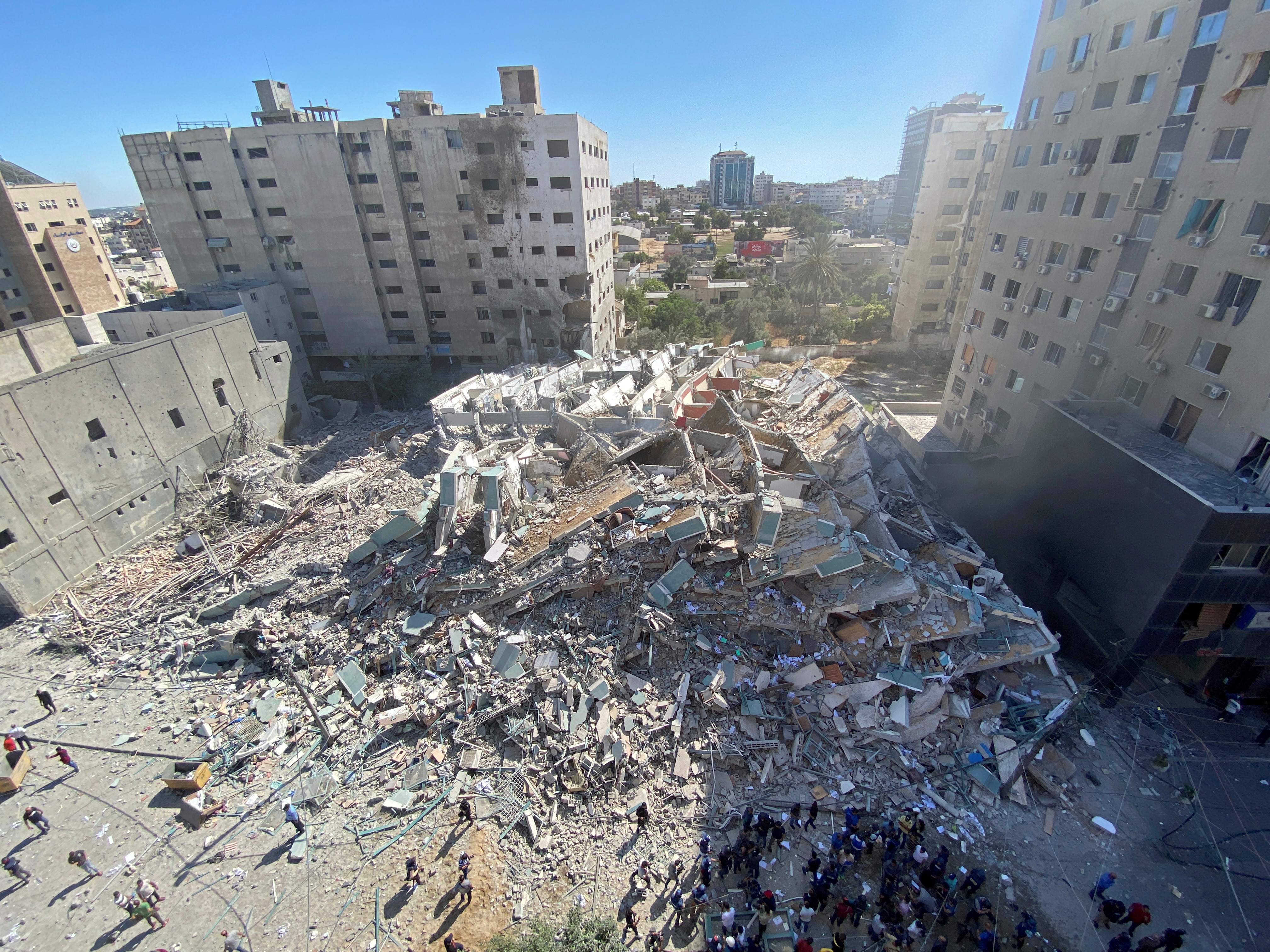
It would be easy to say that all hell has broken out in the Occupied Palestinian Territories. However, what’s happening is just a continuation of the norm. Gaza has been occupied since 1967 and been under blockade for fifteen years, the West Bank is a nightmare of constant military and settler raids, and East Jerusalem is being annexed in what-is-no-longer-slow-motion.
I’ve been working for several days to try to find the words to describe what has been happening. Some Gazans have said that it’s worse than 2014, and that words like “annihilation” and “destruction” are inadequate.
Nakba (The Catasrophe) Day happens to to on today, May 15. The Nakba, which marks the period where 750,000 Palestinians were driven from their homes, and about 400 villages destroyed, during the same time in which Israel became a state in 1948, is ongoing.
The word “conflict” is usually used to describe continuance of the “clashes”. The media is predicting an “all-out war” in Gaza. What’s actually happening is not a “conflict” and not a “war” -even if becomes worse than 2014 – because a “war” implies two equal sides in which one side has an opportunity of winning. In reality, Israeli has one of the best-funded, strongest army’s in the world, and the Palestinians have no army, no conventional weapons, and little way to fight back.
It would be desirable for violence to be avoided, and from what I hear from both Israelis and Palestinians they would also like that. The United State government, which gives the Israeli army more than a million dollars a day, no questions asked, has also blocked in international effort for negotiation and a cease-fire.
The good news is that there are ways to make sure that US money does not support Israel’s land seizure or detention of Palestinians. HR 2590 does just that, and it’s easy to tell your representative to support the bill either with your own words or a pre-written one.
As Israel enters full “war” mode and calls up reserves to destroy Gaza it’s interesting to note that today is also International Conscientious Objection Day. To truly end “clashes” and the resulting “conflicts” and “wars” we must conscientiously object to war and the military. Demilitarization is often demanded of the Palestinians; it should likewise be demanded of the Israelis.

